Curated global AI briefings, structured deep-dive articles, and independent LLM benchmarks
U.S. President Donald Trump has publicly supported Nvidia's board decision to restore Jensen Huang as CEO and president, saying the U.S. government has no reason to believe his return poses a national security risk. Trump said the attorney general has confirmed the government has no evidence Huang broke the law, but the attorney general herself has not yet issued a formal statement.
The attorneys general of Oregon and Virginia separately sued SpaceX on Monday, alleging the company ignored industry-standard safeguards and falsely advertised the safety of its X platform and Grok AI. The lawsuits center on Grok Imagine's sexually explicit content generation and non-consensual image editing features, and both seek financial damages.
Anthropic announced that Skills over MCP has entered public beta in Claude and Claude Code, allowing MCP servers to publish skills alongside tools that Claude loads on demand to reduce context usage. Tasks and Elicitation have also reached general availability, File Uploads is coming soon, and monthly SDK downloads across the MCP ecosystem have surpassed 700 million.
Chinese creator Kazik has published two of his own prompts on X. One audits a project's interactions against user experience principles and fixes issues directly; the other investigates motion by state changes and unifies curves and rhythm. Both workflows have Gemini serve as solution and interaction consultant, with GPT reviewing before merging and shipping.
MiniMax has released the H3 Family series, including flagship models H3, H3-Highspeed, H3-Lite, and H3-Image. Within 100 days of open-sourcing H3, 1,472 derivative models have been created, with total downloads exceeding 148 million, and licensing partnerships have been established with more than ten leading companies worldwide.
OpenAI has announced a partnership with Cisco to launch Shirudo, an open-source Linux runtime that allows AI agents to write dynamic eBPF controls to block system exploits while keeping services running. The two companies describe it as a security infrastructure primitive for the AI agent era, with the goal of enabling defenders to collaborate with agents to locate affected systems, test and share shields, and complete deployment without disrupting workloads.
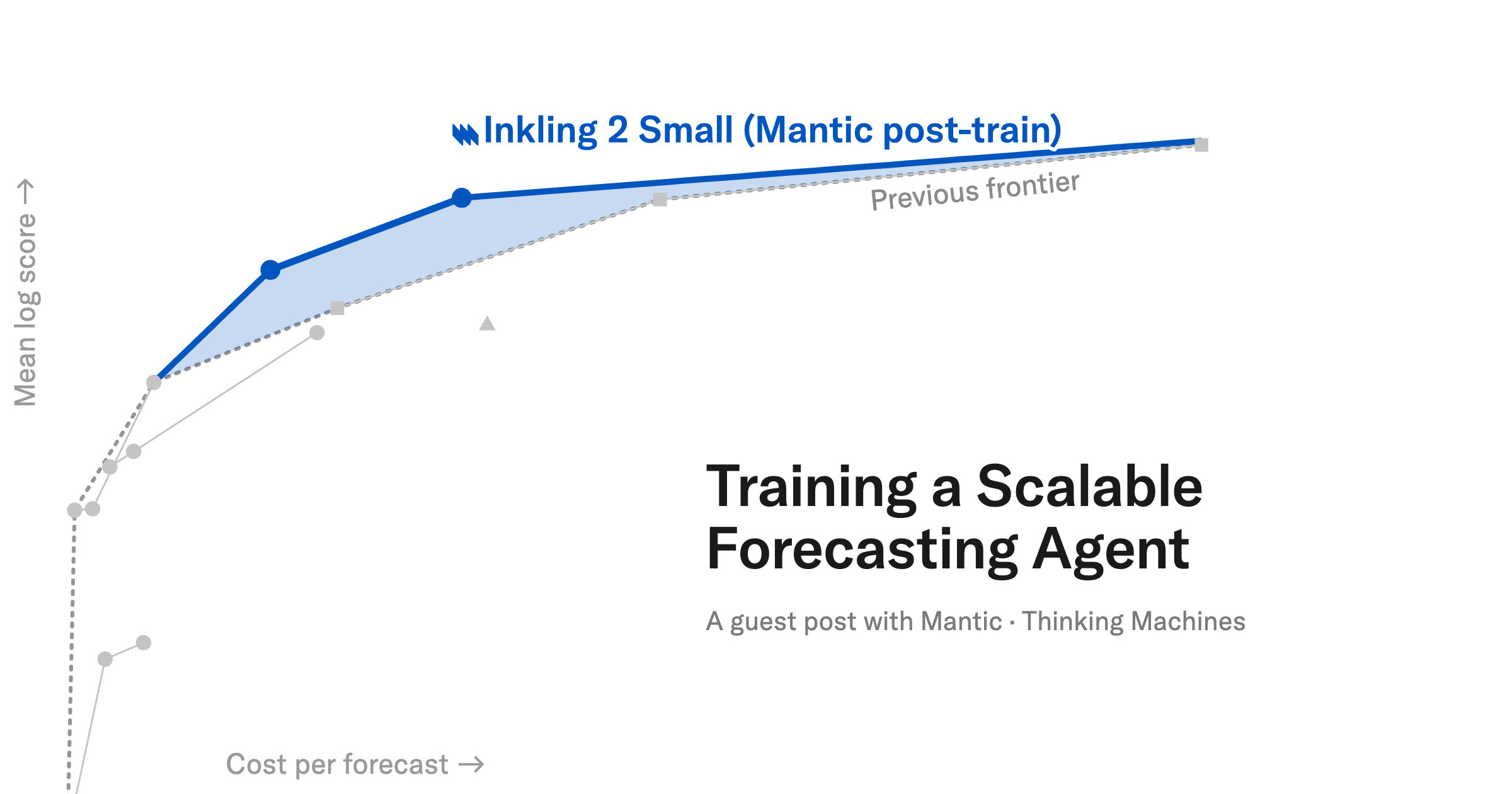
Mantic and Thinking Machines post-trained Inkling 2 Small on Tinker to produce an AI agent that performs research and forecasting end to end, achieving accuracy close to Fable 5.2 (medium) at 15x lower cost per forecast. The agent has already been used to generate 100,000 S&P 500 scenario forecasts.
Anthropic announced that it has merged Claude's connectors and skills into plugins, giving users a unified way to connect tools or teach new skills. Plugins are now available on Free, Pro, Max, and Ultra plans, with Team and Enterprise support coming soon, and the official platform offers over 10,000 plugins to browse.
a16z, in partnership with The Prompting Company, ran 1,270 prompts and 11,307 full shopping runs with AI agents including Grok Bot, Muse, Instinct, and Dots. The tests found that agent product picks overlap heavily, and the firms distilled five ways companies can win the B2A (business-to-agent) economy.
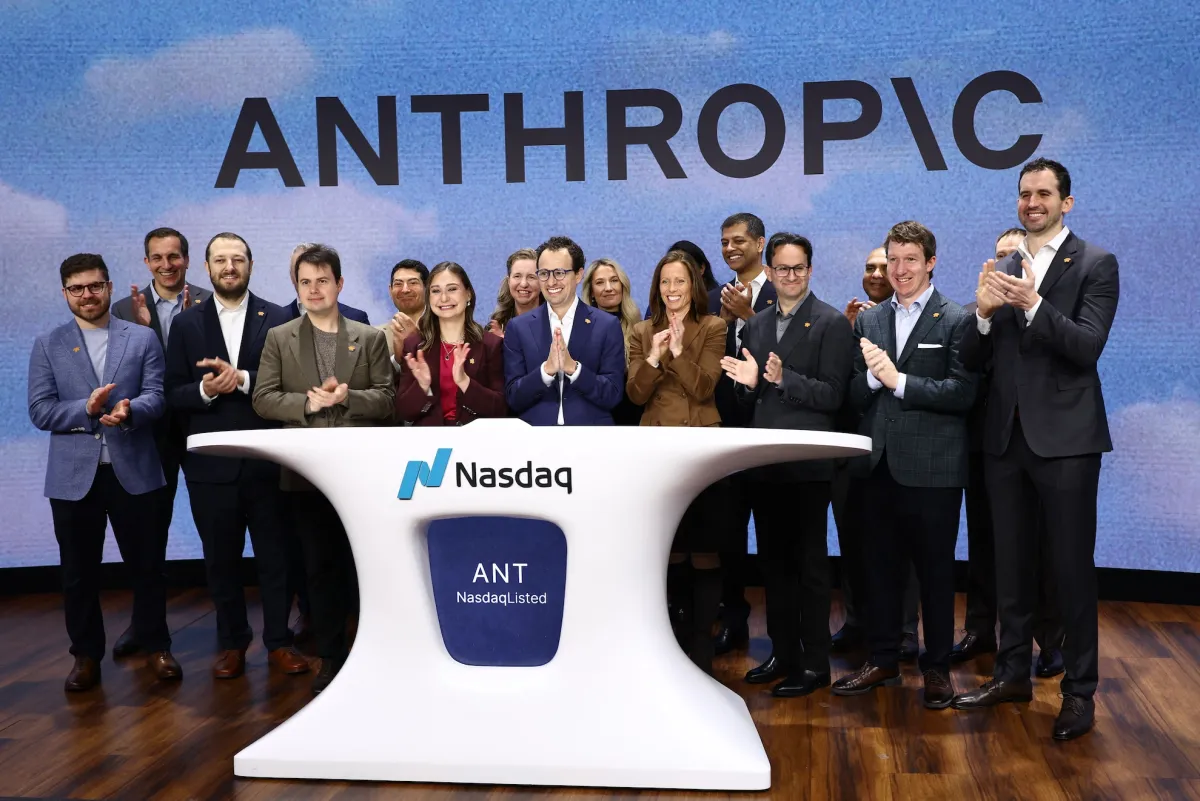
Notable Capital, GIC, and Baillie Gifford each made substantial investments in Anthropic ahead of its IPO, ultimately securing considerable paper returns in the $81.3 billion offering. The three firms based their decisions on developer preference, enterprise adoption rates, and execution consistency, making their bets at a time of elevated valuations and intensifying competition.
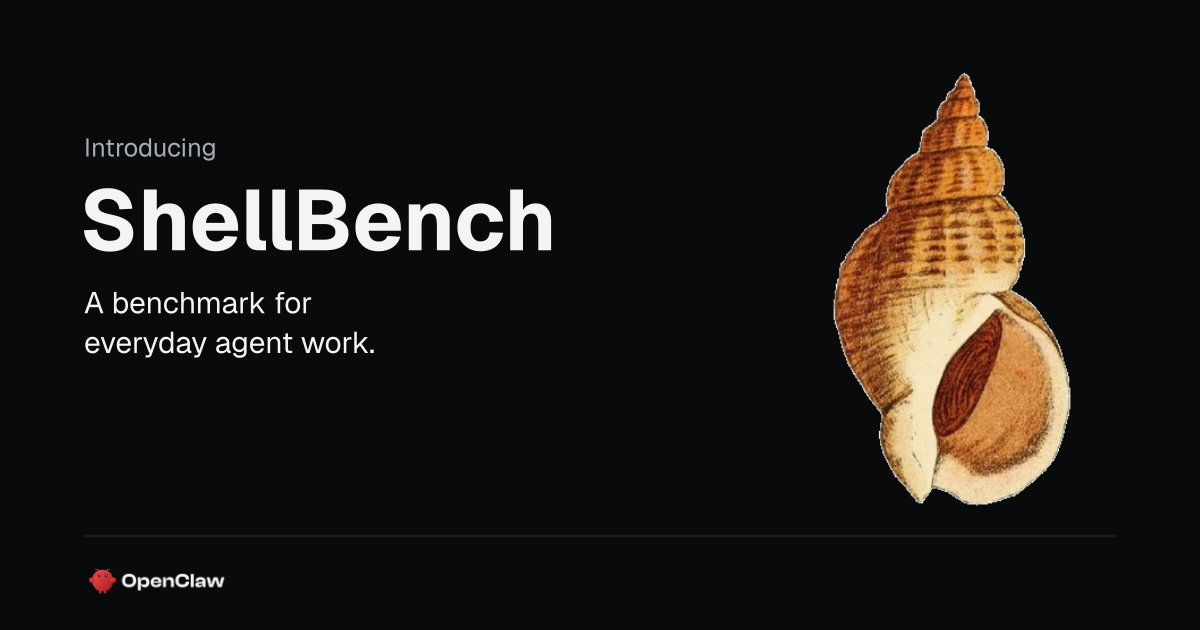
The OpenClaw Foundation, in collaboration with Hugging Face, Red Hat, UC Berkeley, and others, has released ShellBench, a benchmark that evaluates AI agents on 100 real-world everyday tasks. Results show that the strongest model, GPT-6 Astra, achieves an average completion rate of only 62.5%, and 15.7% of runs fail at least one safety criterion.
Zhipu has released its flagship model GLM-5.4, the first model to adopt the Loop Transformer architecture. It loops 28 shared-weight layers through two rounds, achieving deeper reasoning without increasing parameter count. Its intelligence level matches that of 2-3T-class models, and it unlocks generalized coding capabilities.