Anthropic Launches Claude Ship Beta, Letting AI Agents Take Over PR Review, Fixes, and Approvals
Comprising the generally available Code Review and two beta agents, PR Steward and Claude Approvals, it decides merges based on policy files teams write into their repositories

Table of Contents (3)
Key Takeaways (TL;DR)
- 01Claude Ship comprises three components: Code Review, PR Steward, and Claude Approvals, with the latter two in beta
- 02PR Steward is responsible for keeping PRs in a passing state, but is designed not to approve or merge PRs
- 03Claude Approvals reads policy files in the repository and can approve routine changes on its own or require human sign-off
- 04The Claude Code team says merged PRs more than doubled from June to September, while the rollback rate fell by more than 40%
Anthropic has released the Claude Ship beta, handing PR review, fixes, and merge approvals to AI agents. It consists of the generally available Code Review and the beta agents PR Steward and Claude Approvals, which determine which changes can be merged according to policy files teams write into their repositories.
From Review to Approval: How Claude Ship's Three Components Divide the Work
Anthropic has announced the Claude Ship beta, positioning it as a way to speed up the entire post-pull-request (PR) workflow. It consists of three parts: the generally available Code Review, and two beta agents, PR Steward and Claude Approvals. Chained together, a PR can be handed off from review to fixes to approval decisions by agents, without teams having to manage each step manually.
Code Review examines PRs in depth from multiple angles against the codebase, collects findings, performs adversarial validation, classifies them, and posts them to the PR. Teams can choose from three review levels per repository: Quick, Standard, or Deep. Anthropic disclosed that within the Claude Code team, Claude's review is just one layer of the overall process, yet merged PRs more than doubled from June to September, while the rollback rate fell by more than 40%.
Anthropic says the Claude Code team's merged PRs more than doubled from June to September, while the rollback rate fell by more than 40%.
- Code Review is generally available and offers three review levels: Quick, Standard, and Deep
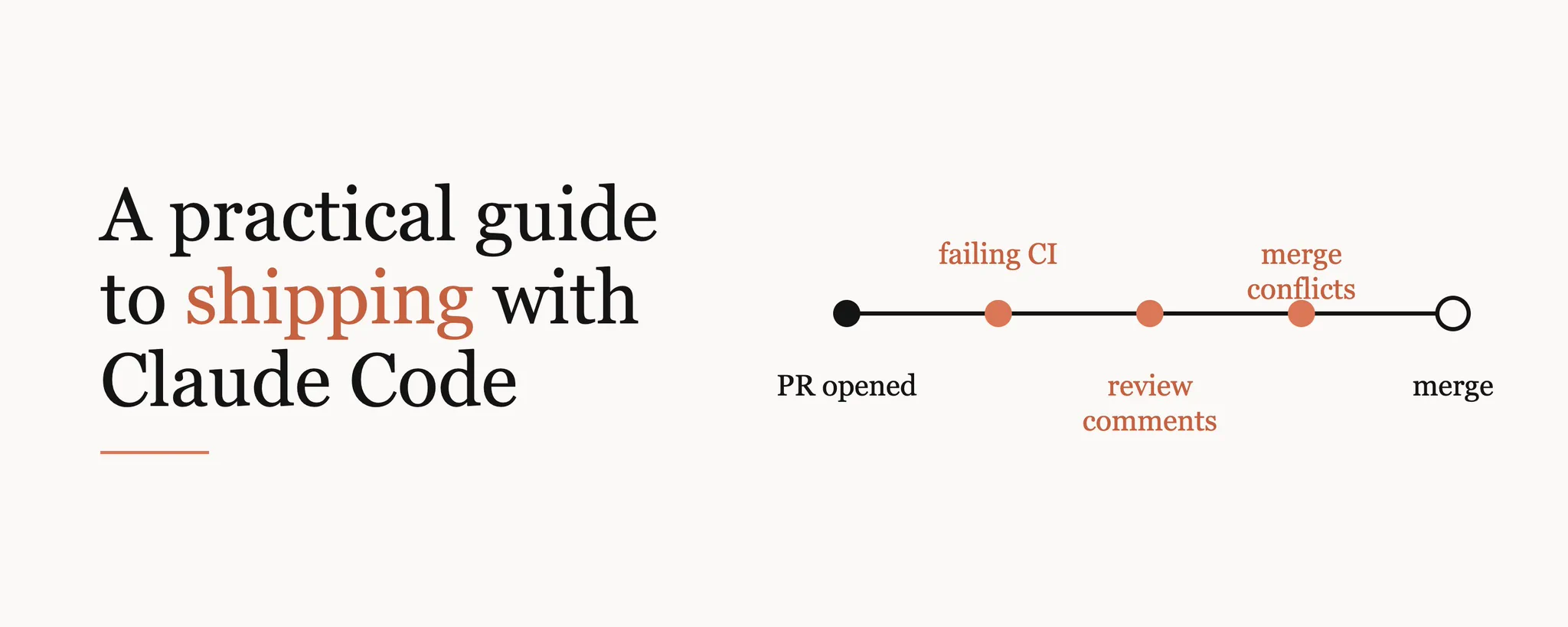
- PR Steward handles failed CI checks, merge conflicts, and review feedback, but is designed not to approve or merge PRs
- Claude Approvals makes approval decisions based on policy files teams write into their repositories, akin to a smarter CODEOWNERS file
The Boundaries of PR Steward and Claude Approvals
PR Steward's job is to keep PRs in a passing state. It steps in when CI checks fail, merge conflicts arise, or feedback comes in from Code Review, other review tools, and team members. After each push, it leaves a comment explaining what changed and how to undo it. Developers can guide the work by attaching instructions with @claude, or stop it with @claude stop.
Claude Approvals, by contrast, turns approval policy into a file in the repository. If the policy allows, Claude can approve routine changes on its own; in specific scenarios, it can also require deeper human sign-off. It can draw on Code Review findings or on classifiers teams write in natural language. Anthropic recommends most customers enable it first in observe-only mode, then configure branch protection to require Claude Approvals' sign-off once confidence is established.
Two Onboarding Paths: Developers Use /ship, Admins Configure per Repository
For developers, Claude Code adds a /ship command. When changes are ready, running /ship prompts Claude to push the changes, open a PR, review the changes, and handle feedback and failed checks, helping the PR reach a mergeable state. Whether it ultimately merges depends on the developer's permissions and the repository's branch rules. The command is rolling out starting today in Claude Code and the desktop app.
For admins and engineering leads, Claude Ship can be enabled repository by repository. Admins enable Code Review and PR Steward for each repository and choose the review level, when reviews run, and spending caps. Claude Approvals activates when a policy file exists on the default branch of a connected repository, and admins can also turn it off. Claude Ship is compatible with existing branch protection and required checks, and teams can start with a single repository.
Anthropic recommends most customers enable Claude Approvals first in observe-only mode, then configure branch protection to require its sign-off.
- Developers can run /ship in Claude Code to try it on their own PRs
- Admins can enable Code Review and PR Steward per repository and set monthly spending caps
- Claude Approvals requires a policy file on the repository's default branch and can run first in observe-only mode
How the Claude Code Team Uses It
Anthropic says the Claude Code team runs Claude Ship on many of its own PRs. One notable change is who can handle customer feedback: product managers can now read feedback, discuss ideas and trade-offs with Claude Tag, have it open a PR, and then move on to the next thing, while Claude Ship takes over review, fixes, and approval decisions.
The original text gives one example: a customer was confused because the Analytics API documentation implied that Admin keys could retrieve Pro and Team usage. The product manager asked Claude Tag whether a fix was in progress, and it opened a PR. Code Review found no blockers, the documentation reviewer signed off, Claude Approvals passed, and the fix merged that same evening.
Availability, Billing, and Exclusions
Claude Ship is available to customers on Claude Team and Enterprise plans whose repositories are hosted on GitHub. Code Review is generally available, while PR Steward and Claude Approvals are in beta. Eligible Claude Enterprise organizations can claim at least $10,000 in Claude Ship credits, which must be used within 30 days of claiming; the claim deadline is January 15, 2027, and terms apply.
Billing is token-based, so enabling it may increase organizational costs. The amount depends on the number and size of PRs covered, the review level, review frequency, and PR Steward's workload. Admins can set spending caps for Code Review and PR Steward. Claude Approvals has no base fee, but classifiers in the policy are billed according to the tokens they use; if the policy uses Claude's review, it triggers billed Code Review even in observe-only mode. Running /ship counts as regular Claude Code usage.
Claude Ship is not available to organizations with zero data retention, HIPAA configurations, or customer-managed encryption keys enabled.
- Available for GitHub repositories under Claude Team and Enterprise plans
- Billed by token, with admins able to set spending caps for Code Review and PR Steward
- Not available to organizations with zero data retention, HIPAA configurations, or customer-managed encryption keys enabled
Implications for Process Governance
Claude Ship is designed to keep control on the team's side: where agents run and which changes require human involvement are determined by admins and policy files. Approval policy entering the repository as a file means approval rules can be reviewed and versioned like code, rather than scattered across external configurations.
At the same time, token-based billing tied to review frequency and level means handing the PR process to agents introduces a variable cost structure. Anthropic recommends running approval policy first in observe-only mode, then gradually tightening branch protection—a path that reflects the trust-building still required before agents participate in merge decisions.
Impact
Industry Impact & Strategic Takeaways
Claude Ship extends the point of AI agent intervention from writing code to PR review, fixes, and merge approvals, with policy files in the repository as the governance vehicle. For the Asia-Pacific AI industry, it offers an observable sample: whether agents can enter merge decisions depends on whether teams are willing to write approval rules as executable files and gradually delegate authority based on token costs and observe-only modes. Teams in the GitHub ecosystem can use this to assess the boundaries of what they hand off in their own processes.
Frequently Asked Questions
What components does Claude Ship include, and which are generally available?
+
Claude Ship consists of Code Review, PR Steward, and Claude Approvals. Code Review is generally available, while PR Steward and Claude Approvals are in beta.
How is Claude Ship billed?
+
Billing is token-based, and the amount depends on the number and size of PRs, the review level, review frequency, and PR Steward's workload. Admins can set spending caps for Code Review and PR Steward; Claude Approvals has no base fee, but classifiers in the policy are billed by token.
Which organizations cannot use Claude Ship?
+
Organizations with zero data retention, HIPAA configurations, or customer-managed encryption keys enabled cannot use Claude Ship.
Primary Source & Attribution
Claude:Blog(网页)
Introducing Claude Ship
Related Deep Dives
Claude Code Team Releases Practical Guide: Breaking Down the PR Review and Stewardship Uses of Claude Ship's Three AI Agents
75 pts · 6 min read

OpenClaw and Hugging Face Release ShellBench Real-World Task Benchmark; Top Model Achieves Only ~60% Completion
66 pts · 5 min read
METR Updates AI Capability Measurement: AI R&D-Relevant Time Horizon Doubles Roughly Every 3.6 Months
82 pts · 6 min read
Anthropic Stress-Tests Claude Docs with a Chaos Loop: 60 Errors in 2 Billion Requests, Resource Estimates Cut by 90%
79 pts · 7 min read