Claude Code Team Releases Practical Guide: Breaking Down the PR Review and Stewardship Uses of Claude Ship's Three AI Agents
Code Review is now generally available; PR Steward and Claude Approvals remain in beta, and developers can try them out in their own repositories via the /ship command
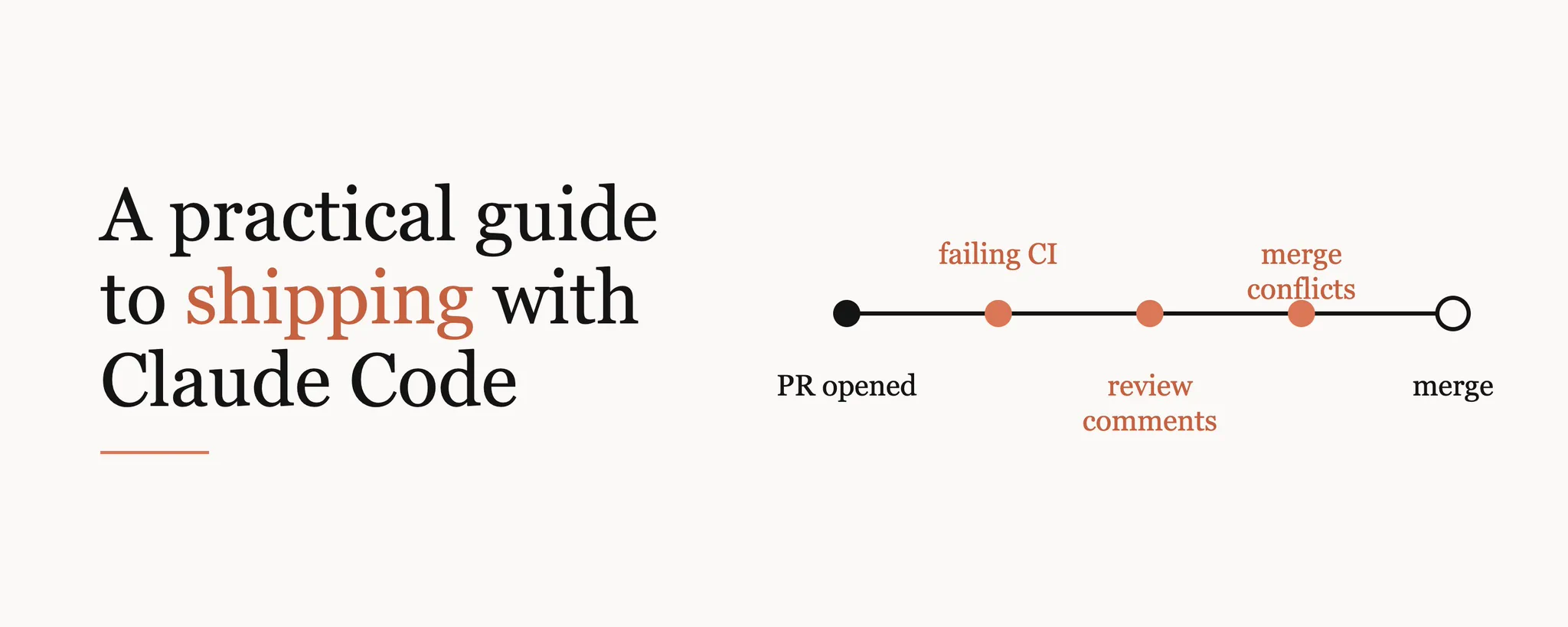
Table of Contents (3)
Key Takeaways (TL;DR)
- 01Claude Ship consists of three AI agents—Code Review, PR Steward, and Claude Approvals—responsible for in-depth review, keeping PRs green, and policy-based approval, respectively.
- 02Code Review is now generally available, while PR Steward and Claude Approvals are in beta; the /ship command ships with the latest version of Claude Code and is usable even before administrators enable the agents.
- 03The guide emphasizes that developers remain the architects of the process: they must define what to build, how to build it, and where the merge threshold lies. It also recommends running /code-review before pushing to reduce rework later.
The Anthropic Claude Code team has released a practical guide explaining how Claude Ship's three AI agents share the follow-up work on pull requests. Code Review is now generally available, while PR Steward and Claude Approvals remain in beta. Developers can use the /ship command to try them out on their own PRs first.
How Claude Ship's Three AI Agents Divide the Follow-Up Work on PRs
In its newly released practical guide, the Claude Code team lays out the mundane follow-up work that typically follows opening a pull request: failing CI, review comments arriving in batches, and conflicts from merging into the main branch. Individually these tasks are small, but they constantly interrupt developers' focus. The team says that internally, AI agents usually take over this kind of follow-up work—for example, addressing issues found by reviewers first, so that when the author returns to the PR they see an update already in place.
Claude Ship splits this work among three AI agents. Code Review conducts an in-depth review of the PR from multiple perspectives, collects findings, performs adversarial verification, categorizes them, and posts them to the PR. PR Steward is responsible for keeping the PR green, but by design it neither approves nor merges PRs; it steps in on failing CI checks, merge conflicts, and feedback from Code Review, other review tools, or team members, and after each push it comments to explain what changed and how to undo it. Claude Approvals, meanwhile, executes approvals according to a policy file the team writes into the repository, approving routine changes on its own when allowed, while still requiring human sign-off in specific scenarios.
The team notes that developers remain the architects of the process and must define what to build, how to build it, and where the merge threshold lies.
- Code Review is now generally available; PR Steward and Claude Approvals remain in beta.
- PR Steward explicitly does not take on approval or merge responsibilities; it only keeps the PR green and explains the changes in each push.
- Claude Approvals is described as a smarter CODEOWNERS file that can draw on a variety of signals, such as Code Review findings or team-built classifiers.
A Three-Stage Process from Review to Approval
The guide distills the post-PR process into three steps: finding problems, addressing problems, and making the final decision on whether a PR can merge. The first two steps can now be partially automated, while the last step is still determined by branch protection settings and the team's policy file. The team suggests that if you do only one thing, review your own branch before pushing; defects found at that point are less likely to later turn into review comments or failing checks that pull the developer away from their next task.
How Developers Can Get Started with /code-review and /ship
The guide's starting point is to type /code-review at the Claude Code prompt to review the current branch's commits and uncommitted changes for correctness defects. The command supports several variants—for example, reviewing a specified PR at high intensity, applying findings directly to the workspace, or posting the results as PR comments. The effort range runs from low to max: low returns only the findings the review is most confident about, while higher levels broaden coverage and include lower-confidence items. The command remembers the last effort setting.
Once ready, you can type /ship. If the branch has no PR yet, the command first commits pending changes, behaving like running git add -A and respecting .gitignore; if necessary it creates a branch and drafts a commit message with the help of the current session, notifying the user before committing and allowing cancellation with Esc. It then pushes as the user and creates a PR, runs a code review and fixes the defects it judges valid, and then keeps watch over the PR for up to seven days, handling failing checks, conflicts, and review comments, exiting once the PR is merged or closed.
The first step of /ship commits pending changes much like git add -A, which can sometimes be surprising; run git status before running it.
- The ultra setting runs in the cloud, requires signing in to claude.ai, and may be billed separately from existing plans.
- Edits made by --fix during background reviews may not be captured by /rewind, so it is advisable to commit before running.
- The local /code-review reads CLAUDE.md but not REVIEW.md.
Commit Boundaries and Public Repository Restrictions
The guide notes that /ship will not commit changes involving filenames that look like secrets, nor will it commit files that set rules, such as CLAUDE.md, REVIEW.md, and contents under the .claude/ or .github/ directories; these must be committed manually beforehand. In public repositories, the command will not commit any changes on your behalf—users must manually commit pending changes first—and if a PR already exists, pending changes will not be included in it.
Team Adoption Paths and the Boundaries of Administrator Involvement
The guide positions Claude Ship's target users as developers or tech leads who collaborate on GitHub and do not have administrator privileges. Individuals can get started immediately with a few commands and save the lessons they learn as repository files for team review. Administrator involvement is needed only when a team wants the agents to automatically handle team PRs, at which point the relevant agents must be enabled.
This design means adoption can proceed bottom-up: first verify on your own PRs what /code-review catches and where it goes wrong, then decide whether to codify the process as team policy. The guide also notes that teams can continue to use their own skills or workflows; Claude Ship simply offers another option.
Code Review is now generally available, while PR Steward and Claude Approvals are in beta; teams can migrate to their own repositories in stages as needed.
- /ship ships with the latest version of Claude Code and is usable before administrators enable any agents.
- Teams can write policies into repository files, which Claude Approvals uses to judge whether routine changes can be approved automatically.
- The guide recommends running /code-review several times first to understand its detection scope and misjudgment patterns before pushing for team adoption.
Impact
Industry Impact & Strategic Takeaways
For AI developers in Asia-Pacific, the value of this guide lies in moving AI agents beyond code generation into the division of labor for PR follow-up workflows: review, fixing, and approval are split into separately enableable stages, with repository policy files constraining the boundaries of automatic approval. Teams can first validate tool performance on individual PRs, then decide whether to have administrators enable team-level automation—offering a controllable, incremental path for AI agents to enter the software delivery process.
Frequently Asked Questions
Which AI agents does Claude Ship include, and what does each do?
+
It includes three agents: Code Review conducts multi-perspective, in-depth reviews of PRs and posts its findings; PR Steward handles failing CI, merge conflicts, and review feedback to keep PRs green, but does not approve or merge; Claude Approvals approves routine changes according to a policy file the team writes into the repository, while still requiring human sign-off in specific scenarios.
Can developers without administrator privileges try Claude Ship on their own?
+
Yes. The guide notes that developers or tech leads can get started by running /ship and /code-review on their own PRs and save the lessons as repository files for team review; administrator involvement is needed only when a team wants the agents to automatically handle team PRs.
What limitations should I be aware of when using /ship?
+
The command commits pending changes much like git add -A, so run git status before running it; it will not commit files that look like secrets or rule files such as CLAUDE.md and REVIEW.md; in public repositories it will not commit any changes on your behalf, and if a PR already exists, pending changes will not be included in it.
Primary Source & Attribution
X:Addy Osmani (@addyosmani)
A practical guide to shipping with Claude Code
Related Deep Dives

Anthropic Launches Claude Ship Beta, Letting AI Agents Take Over PR Review, Fixes, and Approvals
73 pts · 5 min read
Anthropic Stress-Tests Claude Docs with a Chaos Loop: 60 Errors in 2 Billion Requests, Resource Estimates Cut by 90%
79 pts · 7 min read
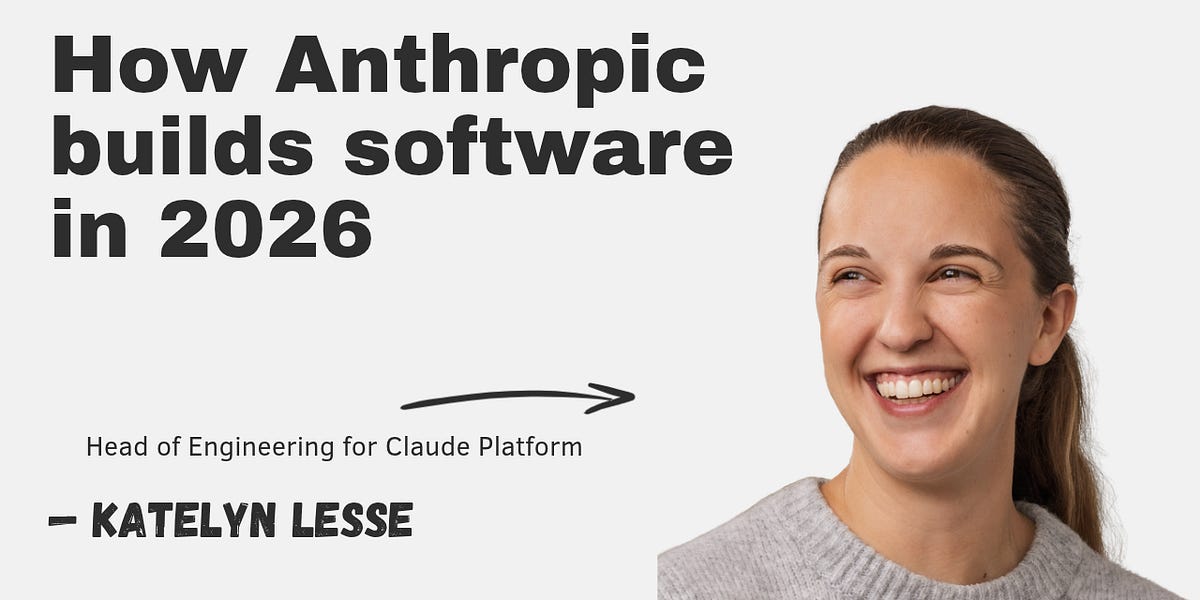
Anthropic Platform Engineering Lead Katelyn Lesse on Building Software with Claude in 2026
78 pts · 5 min read

Kazik Breaks Down the Claude, GPT, and Gemini Multi-Model Orchestration: Divide Work by Personality, Not a Single Version of the Answer
72 pts · 6 min read