Nvidia Doubles Revenue but Stock Halves: How Jensen Huang's Resignation and Governance Probe Are Tearing Fundamentals Apart
Q3 revenue of $115.8B and 110% data center growth, yet shares down nearly 40% from October high to a 52-week low

Table of Contents (3)
Key Takeaways (TL;DR)
- 01Nvidia's Q3 revenue doubled year-over-year to $115.8 billion, with data center growth of 110% and the Vera Rubin platform contributing nearly $20 billion, making it the fastest-ramping product in company history.
- 02Former CEO Jensen Huang resigned amid an extramarital affair and alleged Chinese spy ties; the board launched an independent investigation and explicitly ruled out reappointment, sending shares down nearly 40% from their October high.
- 03Wall Street analysts remain overwhelmingly bullish, with an average price target of $232.59 and nearly two-thirds rating the stock a 'Buy,' but governance risks and December congressional testimony pose near-term uncertainty.
Nvidia's third-quarter revenue doubled year-over-year to $115.8 billion, with data center business growing 110% and the Vera Rubin platform contributing nearly $20 billion in revenue—arguably the strongest earnings report in history. Yet, battered by a chip stock selloff, former CEO Jensen Huang's resignation amid extramarital affair and espionage allegations, and a corporate governance investigation, the stock has fallen nearly 40% from its October 6 all-time high, closing Thursday at $145.98, a 52-week low. The severe divergence between fundamentals and share price reflects the vulnerability of the AI leader amid a leadership crisis and geopolitical risks.
Earnings Blow Past Expectations: Vera Rubin Becomes Fastest-Ramping Platform Ever
Nvidia's third-quarter earnings were nothing short of explosive. Revenue doubled year-over-year to $115.8 billion, with the data center business growing 110% and continuing to serve as the absolute growth engine. Even more encouraging to the market, the highly anticipated Vera Rubin platform contributed nearly $20 billion in revenue in its first quarter of shipments, which interim CEO Colette Kress called 'the fastest product ramp in the company's history' on the earnings call. The figure not only validates Nvidia's execution in AI compute iteration but also temporarily alleviates concerns about intensifying competition.
Kress emphasized on the call: 'Our momentum is real. With a leading multi-year roadmap, supply agreements extending to the end of this decade, and sustainable demand, we are well positioned to accelerate Nvidia's leadership.' By financial metrics, Nvidia remains unquestionably the central pillar of the AI economy. Yet this stellar report failed to support the stock price, as market worries over leadership turmoil and governance risks overwhelmed the fundamental positives.
'Our momentum is real... we are well positioned to accelerate Nvidia's leadership.' — Interim CEO Colette Kress
- Q3 revenue of $115.8 billion, doubling year-over-year; data center revenue up 110%, beating Wall Street expectations.
- Vera Rubin platform contributed nearly $20 billion in the quarter, becoming the fastest-ramping product in company history.
- Supply agreements extend to the end of the decade; management stresses demand is sustainable.
Data Center Still the Absolute Engine, but Slowing Growth Concerns Persist
Although the data center business's 110% year-over-year growth remains stunning, it shows signs of deceleration compared with the 150%-plus increases in previous quarters. The market is more focused on whether Nvidia can sustain such a steep growth curve as major customers like Microsoft, Google, and Amazon accelerate their own chip development. Vera Rubin's strong start partially addresses this concern, but a single quarter's performance is not enough to prove long-term demand resilience.
From All-Time High to 52-Week Low: A Two-and-a-Half-Week Rollercoaster
Nvidia's stock collapse was not a one-day affair. On October 29, The New York Times reported that U.S. intelligence agencies believed Jensen Huang was the target of a Chinese espionage operation, centered on his 'close relationship' with Alice Huang, an executive at Singapore-based data center company Megaspeed. Nvidia initially denied the report, calling the interactions 'not unusual.' The stock dipped only 0.8% that day to close at $213.66, a muted market reaction. But events quickly deteriorated: after the midterm elections on November 4, fears that Democratic governors would slow data center construction triggered a 9.2% plunge on November 5—the largest single-day drop in at least a year.
The real turning point came on November 8. Huang sent a memo to all employees apologizing for the extramarital affair, while the board simultaneously launched an independent investigation to examine whether his misconduct compromised company secrets or national security. The stock opened down 7% on November 9 on surging volume. On November 12, Nvidia officially announced Huang's departure, and the stock plunged nearly 14% at the open, touching an intraday low of $148.80. It closed Thursday at $145.98, a 52-week low and nearly 40% below the October 6 all-time high.
The stock is down nearly 40% from its October 6 all-time high, closing Thursday at $145.98, a 52-week low—just two days after earnings blew past expectations.
- Oct 29: Espionage report surfaces; stock falls just 0.8% as market reaction is initially muted.
- Nov 5: Post-midterm fears over data center construction send stock down 9.2% in a single day.
- Nov 8: Huang's apology memo and board investigation launch; stock drops 7% the next day.
- Nov 12: Huang's departure officially announced; stock opens down nearly 14%, hitting a one-year intraday low.
Board Explicitly Rules Out Reappointment; Huang Still Says He'd Be 'Honored' to Return
New Chairman Harvey Jones stated unequivocally on the earnings call that the company 'does not intend to reappoint Jensen as CEO' and has engaged an executive search firm to find a successor. Yet Huang posted on X this week that he would be 'deeply honored' to be reappointed. The legendary figure, who co-founded Nvidia in 1993 and has led it ever since, is seen by Wall Street and the media as virtually synonymous with the company—and famously has no succession plan. The tug-of-war between a leadership vacuum and founder attachment has become the biggest source of near-term stock uncertainty.
Wall Street Divide Widens: Retail Dip-Buying vs. Congressional Testimony Risk
Faced with the plunge, retail investors have decisively bought the dip. According to Bloomberg, citing Vanda Research data, retail investors bought $111 million of Nvidia stock in the first 30 minutes of trading on November 12—the largest opening half-hour purchase in the stock's history. The analyst community also remains broadly optimistic: over the past three months, analysts covering Nvidia have an average price target of $232.59, with a low of $130 and a high of $350; nearly two-thirds rate the stock a 'Buy,' and all 30 reiterated their ratings after earnings.
But risks have not dissipated. On December 1, Huang will appear for transcribed interviews before the House Foreign Affairs Committee, the Select Committee on the Chinese Communist Party, and the Intelligence Committee, with Nvidia's general counsel following the next day. Congressional testimony could reveal more sensitive details and further dent market sentiment. In addition, the final conclusions of the governance investigation, progress in the CEO search, and the broader AI bubble narrative weighing on chip stocks all suggest the share price will struggle to return to fundamental pricing in the near term.
Analysts' average price target of $232.59 is nearly 60% above Thursday's close of $145.98—but congressional testimony and the governance probe pose major near-term variables.
- Retail investors bought $111 million in the first 30 minutes, the largest opening half-hour purchase in Nvidia's history.
- Analysts' average price target is $232.59, with nearly two-thirds rating the stock a 'Buy.'
- On December 1, Huang will testify before three congressional committees, with the general counsel following the next day.
AI Bubble Narrative and Chip Stock Selloff Keep Sector Under Systemic Pressure
Nvidia is not an isolated case. Chip stocks have broadly sold off recently as fears of an AI bubble persist. Anthropic's Nasdaq debut priced at $111.50, 34% above expectations, signaling undiminished primary-market enthusiasm for AI, but secondary-market tolerance for highly valued chip stocks is declining. As the bellwether for AI compute, Nvidia is bearing the brunt of capital rotation. Even with strong earnings, the double whammy of macro sentiment and governance risk could keep the stock decoupled from fundamentals in the short term.
Impact
Industry Impact & Strategic Takeaways
Nvidia's case reveals a harsh reality: in the AI arms race, technological leadership and financial strength are not sufficient conditions for a stock price. Leadership crises, geopolitical risks, and governance transparency are becoming key variables affecting the valuations of AI leaders. For developers and enterprises choosing technology, Nvidia's compute ecosystem is hard to replace in the short term, but long-term supply chain stability and corporate governance risks must be factored into assessments. For investors, the divergence between fundamentals and share price is both an opportunity and a warning—the outcomes of congressional testimony and the CEO search will determine whether this selloff is a golden pit or a value trap.
Frequently Asked Questions
How exactly did Nvidia's third-quarter earnings perform?
+
Nvidia's Q3 revenue was $115.8 billion, doubling year-over-year; data center revenue grew 110%, beating Wall Street expectations; the Vera Rubin platform contributed nearly $20 billion in the quarter, making it the fastest-ramping product in company history.
Why did Jensen Huang resign, and what impact does it have on Nvidia?
+
Jensen Huang resigned after an extramarital affair and alleged ties to Chinese espionage were exposed; the board launched an independent investigation and explicitly ruled out reappointment. As co-founder and long-time CEO, his departure has created a leadership vacuum, sending the stock down nearly 40% from its October high and raising follow-on risks such as December congressional testimony.
What are analysts' current ratings and price targets for Nvidia?
+
Over the past three months, analysts covering Nvidia have an average price target of $232.59, with a low of $130 and a high of $350; nearly two-thirds rate the stock a 'Buy,' and all 30 reiterated their ratings after earnings.
Primary Source & Attribution
The Verge:AI(RSS)
Related Deep Dives

Nvidia Leadership Shakeup: Palmer Luckey Says Ousting Jensen Huang Plays Into China's Hands, 200,000 Sign Petition for Reinstatement
85 pts · 6 min read
NVIDIA Announces Jensen Huang Returns as President and CEO and Rejoins Board
90 pts · 4 min read

Jensen Huang's Return Leaves Nvidia's Compliance Pressure Unresolved as Megaspeed Chip Transshipment Probe Continues
84 pts · 6 min read
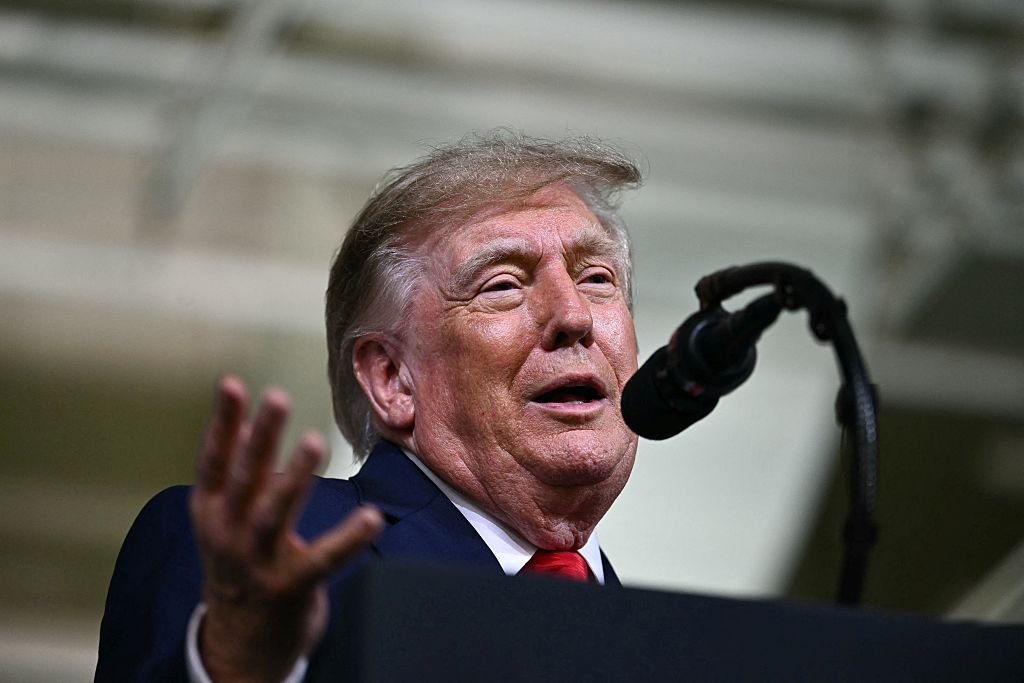
Trump Publicly Backs Jensen Huang's Return as Nvidia CEO, Says No Evidence of National Security Risk
83 pts · 5 min read