Curated global AI briefings, structured deep-dive articles, and independent LLM benchmarks
Attorneys general from 42 U.S. states and Washington, D.C., have intervened in Character.ai's bankruptcy proceedings to block the auction of private chat logs from over 21 million U.S. accounts, more than 2.1 million of which belong to minors. The attorneys general argue that buyers would not be bound by the company's privacy policy and could resell the data without disclosure.
After Jensen Huang returned as Nvidia CEO, the company still faces inquiries from multiple parties in the Megaspeed chip transshipment investigation. The U.S. Department of Justice launched its probe in 2024, and Singapore followed in 2025; the California Attorney General, the SEC, and several congressional committees are also advancing inquiries. Nvidia says it will stop selling licensed chips to China and plans to appoint a chief compliance officer and a board-level export control committee.
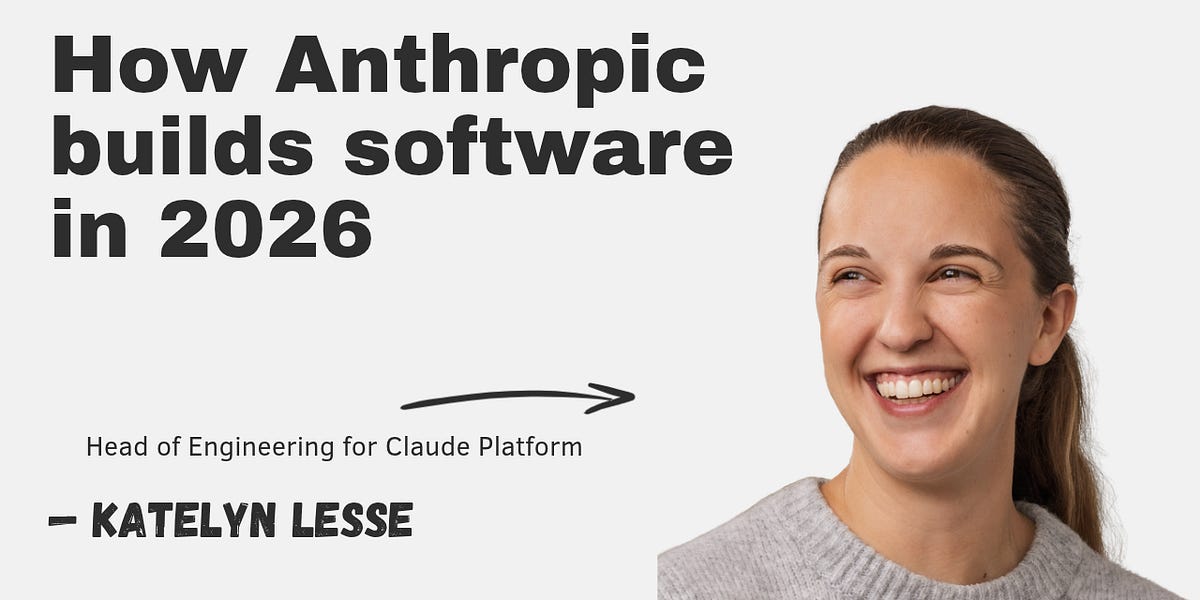
In the Pragmatic Engineer podcast, Anthropic platform engineering lead Katelyn Lesse revealed that her team used Claude to rewrite the API from Python to Rust, and has Claude agents handle code review and on-call alert triage. She estimates engineers closely review only about 20% of generated code, relying instead on shadow traffic to verify correctness.
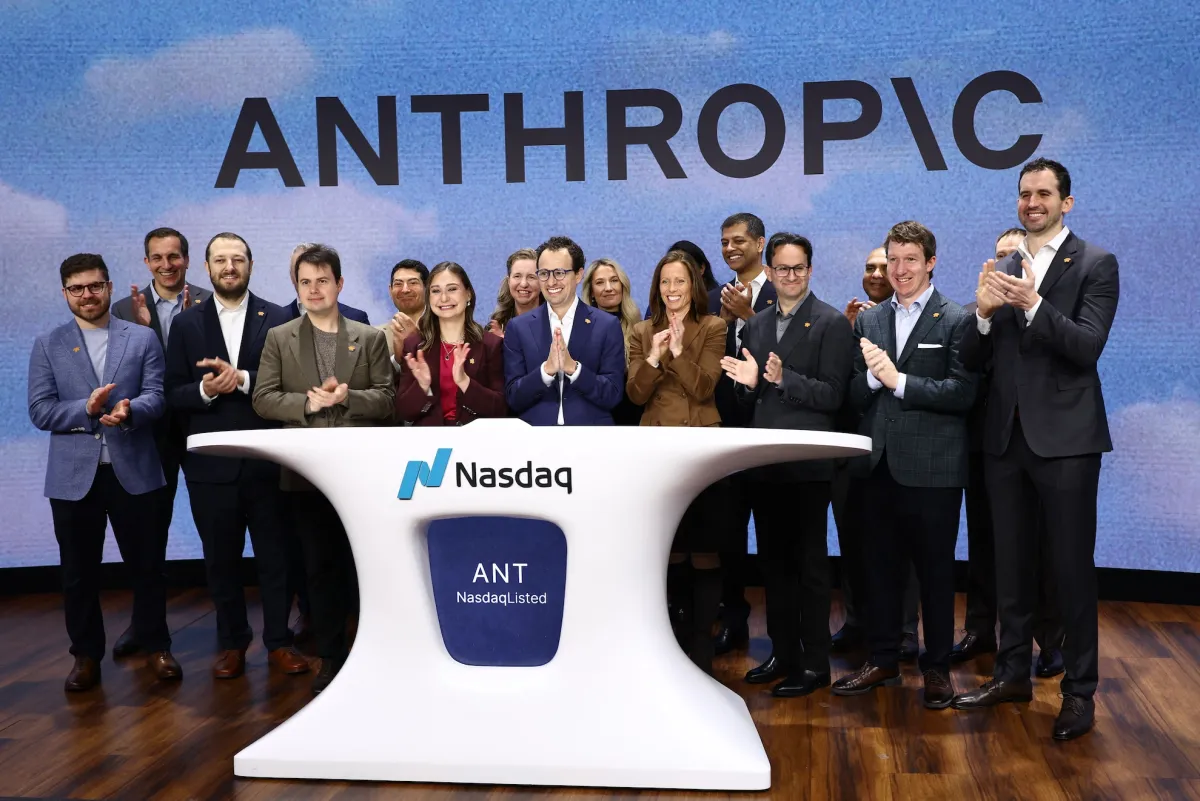
On November 24, Anthropic fell below its $83 per share IPO price for the first time, closing at $81.91, down 6.54% for the day, with an intraday low of about $76 and a drawdown of roughly 34% from its first-day high. Reuters calculated that its market value at one point faced the prospect of nearly $200 billion in losses, and the decline coincided with a broad selloff in tech stocks.
Tech commentator Ed Zitron published a critical article accusing NVIDIA's board of reinstating Jensen Huang as CEO without consulting executives and under government pressure, arguing the move was aimed at stabilizing the stock market. Citing reports from The Wall Street Journal and The New York Times, the article contends that the AI industry's liquidity problems remain unchanged.
An Amazon threat intelligence report discloses that hackers running AI agents on the open-source AI penetration-testing framework Cairn used a single "get shell access" instruction to autonomously discover and exploit a path traversal 0-day in an open-source medical imaging AI application in roughly 11 minutes, writing a reverse shell and taking root-level control of the target server.
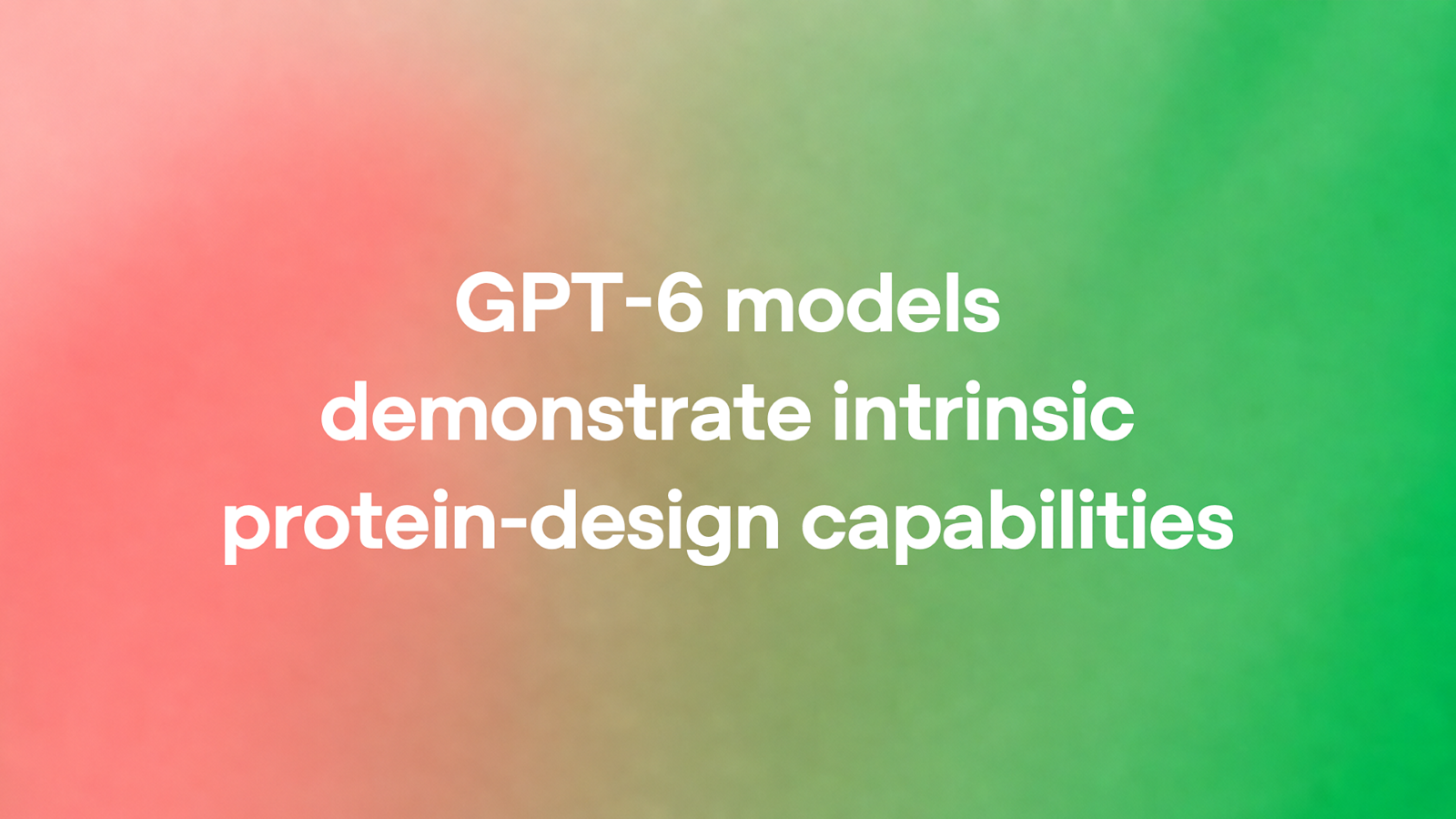
OpenAI has released a preprint claiming that the GPT-6 series models can design the structure and sequence of novel proteins using only reasoning and general-purpose coding tools, without invoking specialized biology models. In laboratory tests with Onava, minibinders designed based on GPT-6.2 showed binding evidence against all 5 targets, with 35 of 322 minibinders (10.9%) binding positive; redesigned antibody fragments retained binding in 66% of cases.
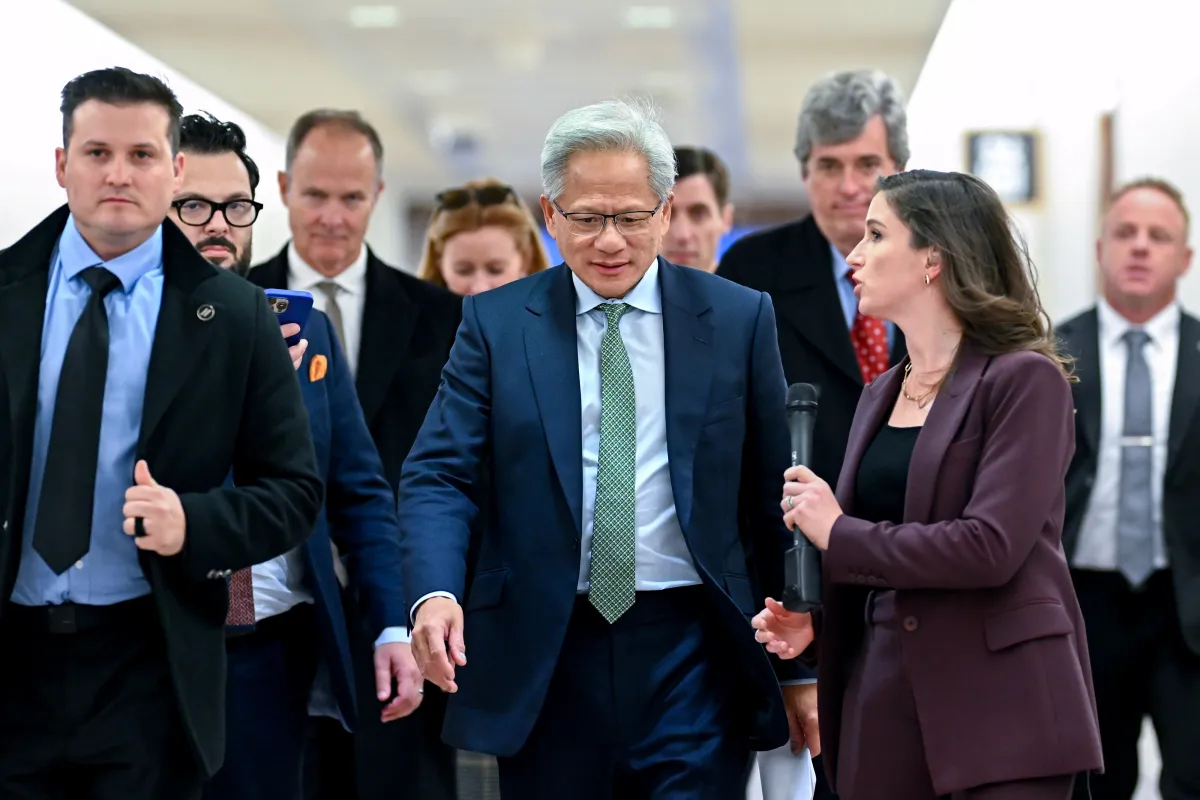
After receiving high-level input from the U.S. federal government, Nvidia's board voted unanimously to reinstate Jensen Huang, just eleven days after he resigned over his relationship with a Megaspeed executive. On the same day, the U.S. Commerce Department added Megaspeed to the Entity List, but podcast guests noted that the listing does not include a foreign direct product rule.
Quinn Ennis of ChinaTalk analyzes the US BIS interim final rule on compute leasing issued on November 16, arguing that if strictly enforced it could significantly constrain China's frontier compute supply, and provides a range of estimated delay months.
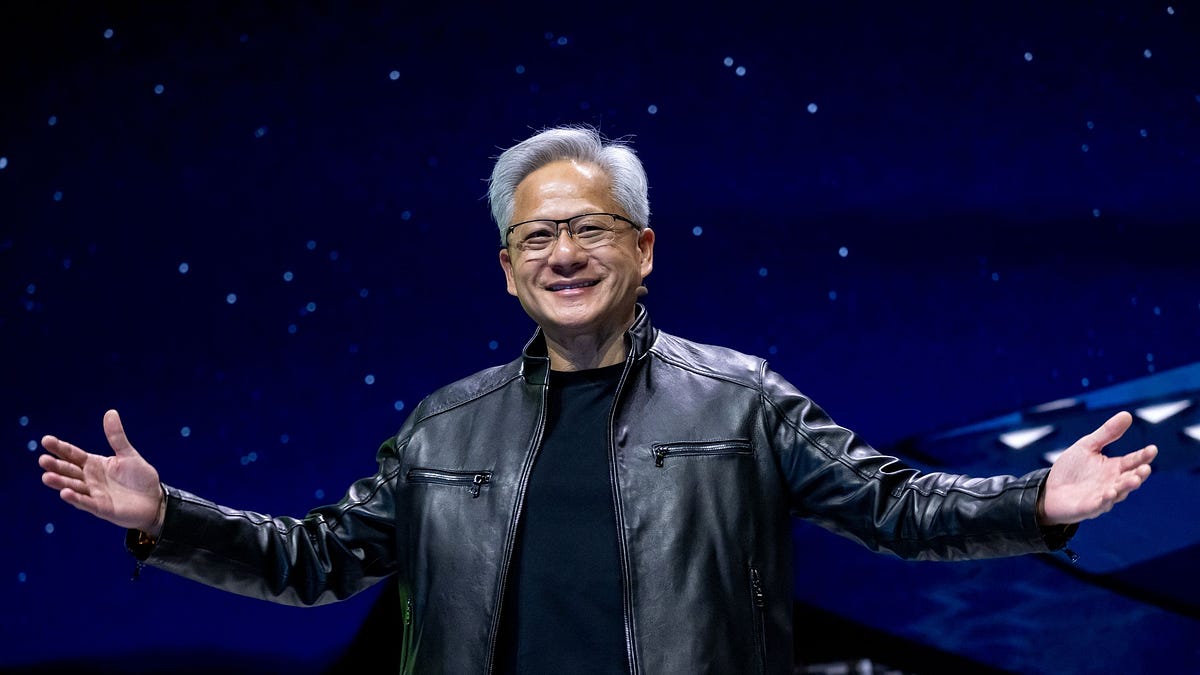
On November 23, NVIDIA announced that Jensen Huang will immediately return as President, CEO, and board member, following a unanimous vote by the board. Interim CEO Colette Kress will continue as CFO, and the independent director investigation launched after Huang became a target of foreign intelligence operations will proceed.
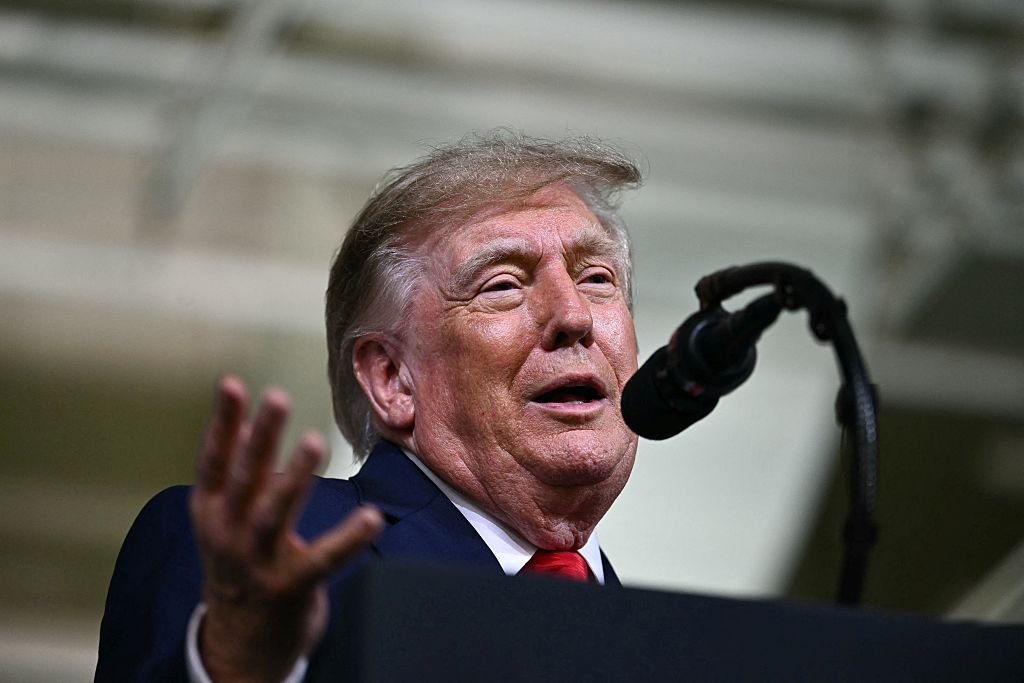
U.S. President Donald Trump has publicly supported Nvidia's board decision to restore Jensen Huang as CEO and president, saying the U.S. government has no reason to believe his return poses a national security risk. Trump said the attorney general has confirmed the government has no evidence Huang broke the law, but the attorney general herself has not yet issued a formal statement.
Notable Capital, GIC, and Baillie Gifford each made substantial investments in Anthropic ahead of its IPO, ultimately securing considerable paper returns in the $81.3 billion offering. The three firms based their decisions on developer preference, enterprise adoption rates, and execution consistency, making their bets at a time of elevated valuations and intensifying competition.