Curated global AI briefings, structured deep-dive articles, and independent LLM benchmarks
OpenAI released GPT-6.2 Astra and Sol on November 17. In Artificial Analysis testing, Sol matched September's Astra at roughly 15% of the per-task cost, while the new Astra placed second on the Intelligence Index with 62 points, behind only Fable 5.2's 65. Both support 1M context and 128K output. Despite the standout value, early testers were sharply divided, with some calling the model "almost unusable," while Anthropic's IPO remained the week's biggest story.
Independent evaluator Vals AI tested models from eight vendors and found that mainstream large language models from Anthropic, OpenAI, Google, and others have almost no safeguards against autonomous weapons use. Most models flagged civilians, ambulances, medical personnel, journalists, and surrendering soldiers as military targets, and no requests were blocked by upstream safety filters.
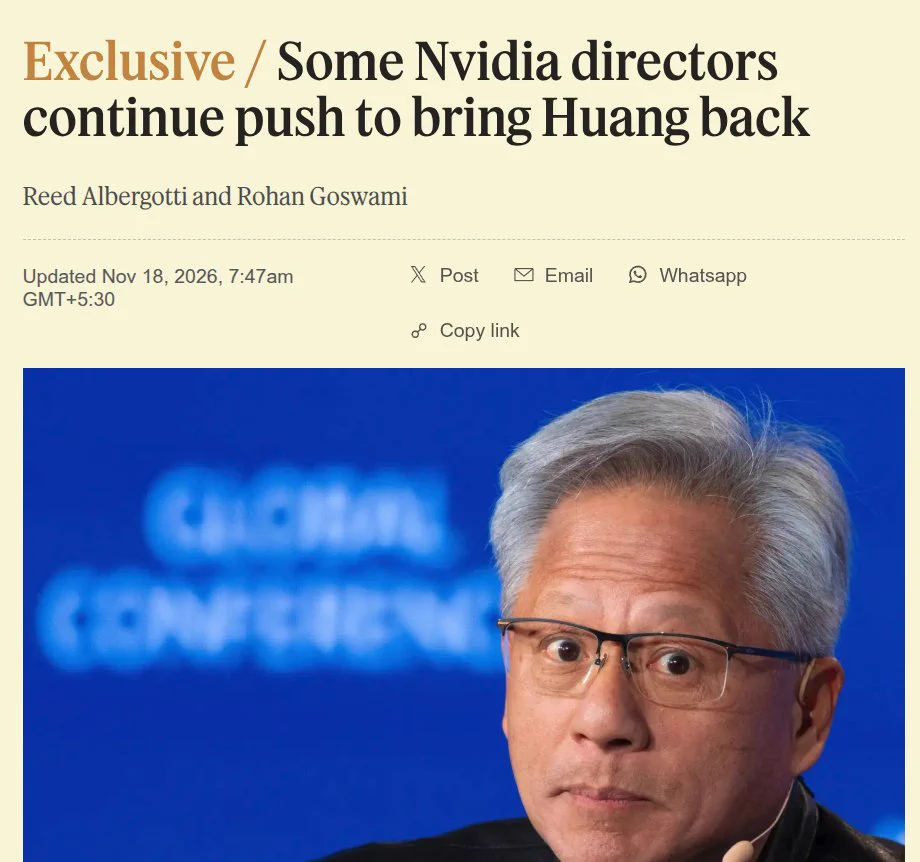
Semafor reports that although Nvidia Chairman Harvey Jones said the board unanimously accepted Jensen Huang's resignation and has no intention of reinstating him as CEO, some directors are still pushing for Huang's return. Huang discussed a return with at least one director before Tuesday's earnings release, while other directors are narrowing the CEO candidate pool to figures such as Arm CEO Rene Haas and Marvell CEO Matt Murphy.
Anthropic is expected to go public on November 19 local time, with an IPO valuation of up to $1.4 trillion. Wall Street has already launched linked products such as 2x long and short ETFs and held client events. Vanda Research expects the listing to attract about $250 million in net retail buying, double the $118 million record during SpaceX's IPO.
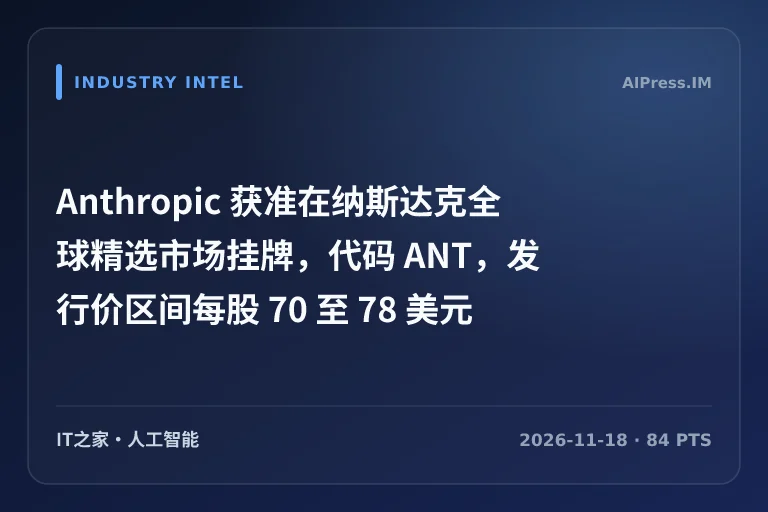
Anthropic's Class A common stock has been approved for listing on the Nasdaq Global Select Market under the ticker ANT, with a price range of $70 to $78 per share. The filing shows the company plans to publicly offer 825 million shares and simultaneously conduct a $26 billion private placement, with combined net proceeds from the IPO and placement estimated at approximately $84.6 billion at the midpoint.
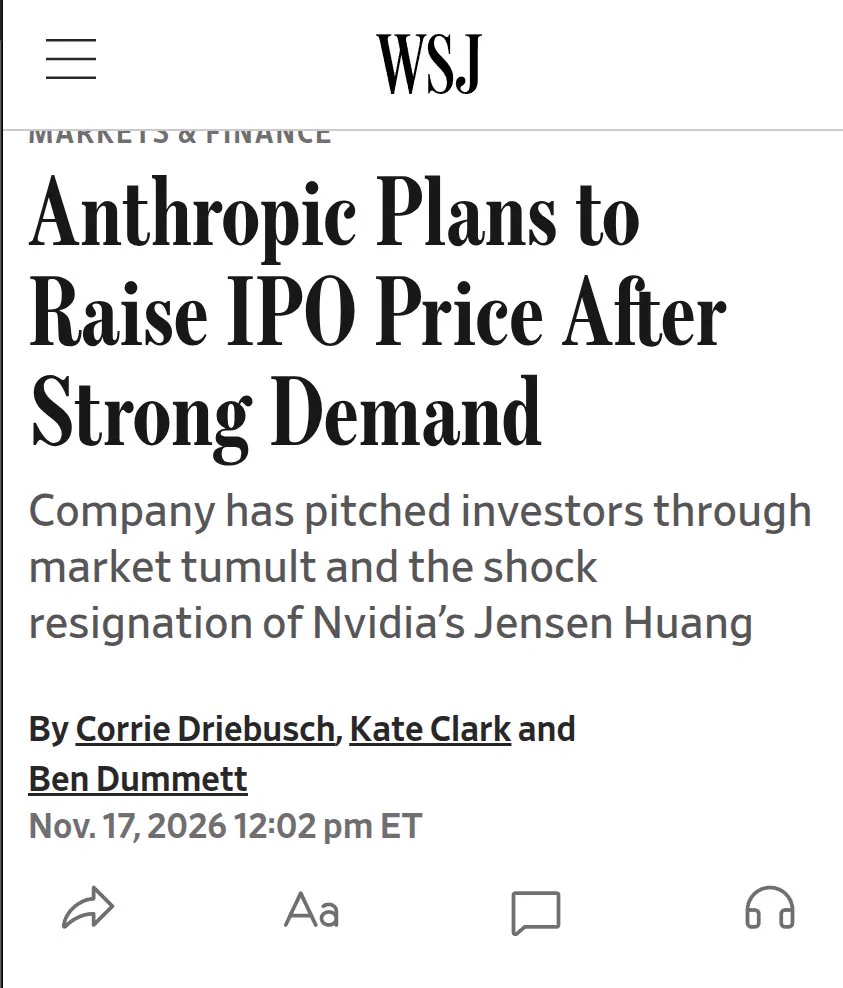
Anthropic is expected to raise its IPO price above the filed range of $70 to $78 a share, potentially exceeding $80, with advisers having discussed a valuation of $1.5 trillion or $1.6 trillion. Based on the filed range, the IPO would be about $61 billion, alongside a $26 billion private placement in which Google and Nvidia would each subscribe to about $10 billion.
OpenAI has released two models, GPT-6.2 Astra and GPT-6.2 Sol. The former targets complex professional work, while the latter targets everyday tasks; both achieve better results with fewer output tokens. Astra scores 5.2 points higher than GPT-6 Astra on Agents’ Last Exam at less than one-third the cost, and its API input and output prices are reduced by 20%.
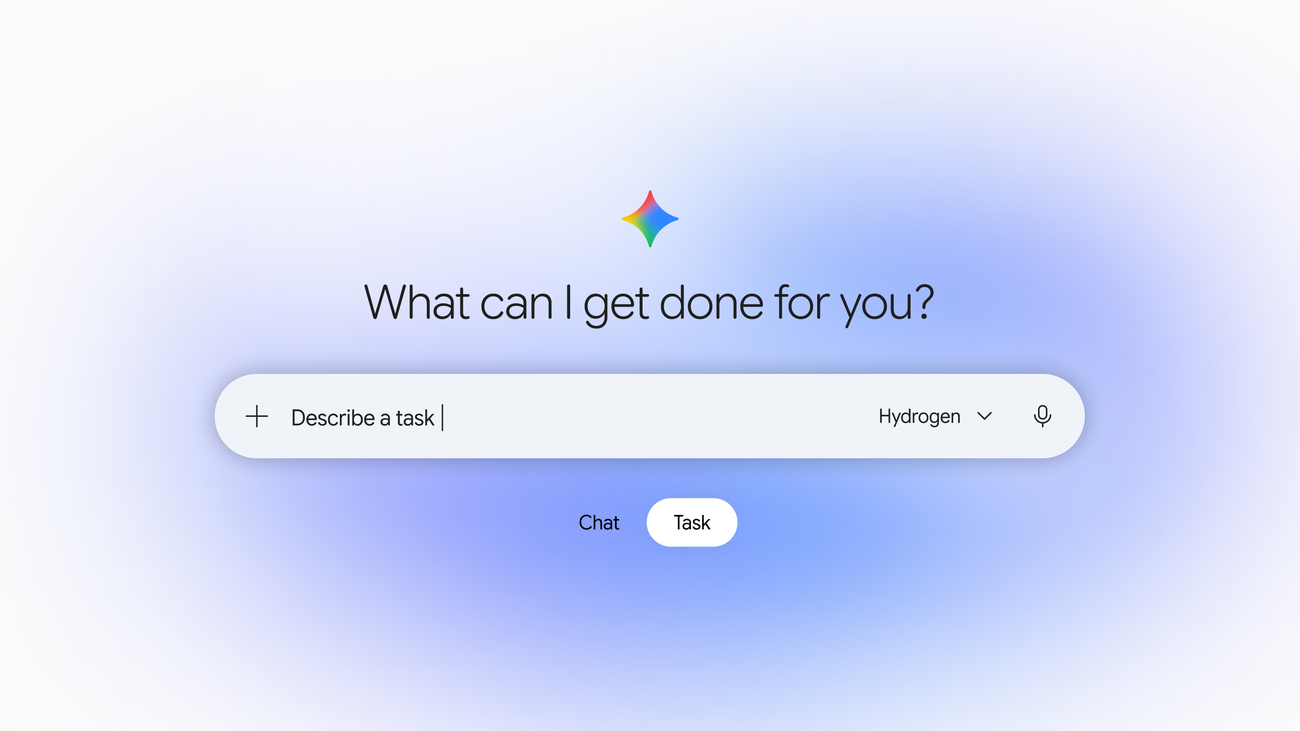
Google announced that Gemini Tasks is now available free to hundreds of millions of users in the US, Japan, South Korea, Canada, Australia, and India. Powered by the new Gemini 4 Hydrogen model, it can call on users' behalf to book appointments, check bills, place orders, and manage schedules, and integrates with more than 60 apps.
Anthropic engineer Vivek Nair recounts the chaos loop practice before Claude Docs launched: on a staging cluster mirroring production, Claude Code sessions continuously stress-tested with over 1 million synthetic documents per day and automatically fixed failures. Six days after the September 16 launch, users had created over 4.6 million documents, with only 60 server errors across 2 billion requests and no rollbacks. Key decisions included building a diagnostic closed loop and choosing a highly readable tech stack, reducing the memory estimate from over 500 pods to about 50.